
EPA to Ban Trichloroethylene and Perchloroethylene
Chlorinated solvents such as trichloroethylene (TCE) and perchloroethylene (PCE) have been shown to cause health problems to workers and the... Continue reading →

Anticipate, Recognize, Evaluate & Control Health Hazards in the Workplace
Chlorinated solvents such as trichloroethylene (TCE) and perchloroethylene (PCE) have been shown to cause health problems to workers and the... Continue reading →

Most dog owners have heard of ethylene glycol since it is a poison and canines are attracted to it because... Continue reading →

OSHA’s standard for hazard communication has been in effect for many years under 1910.1200 for General Industry and 1926.59 for Construction. The purpose of the... Continue reading →

Cleaning agents and disinfectants are used in a broad range of occupational settings to remove dirt, carbon, and other materials from... Continue reading →

Thirteen years after it was originally proposed, a revised standard for lead exposure to workers was approved on February 15,... Continue reading →
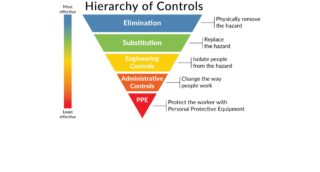
For most OSHA standards, employers are required to reduce employee exposures to below the Permissible Exposure Limit for the particular... Continue reading →

In the United States, occupational exposure limits are set by governmental organizations such as OSHA and the National Institute of... Continue reading →
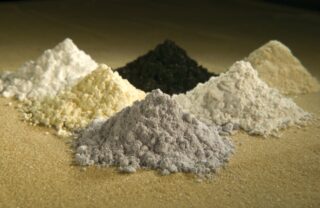
In recent years there has been increasing concern about the world’s and specifically the United States’ dependency on China for... Continue reading →
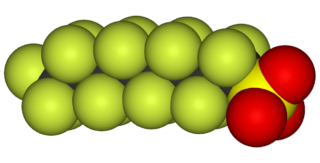
In recent years, the public has been concerned about the prolific amount of Per- and Polyfluoroalkyl substances (PFAs) in the... Continue reading →
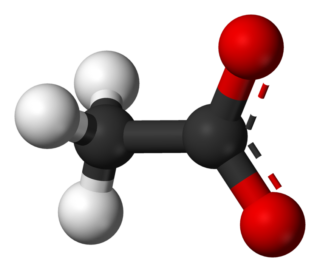
Acetates are used in many products such as cosmetics, cleaning supplies, paints and lacquers, and textiles. They are also used in... Continue reading →