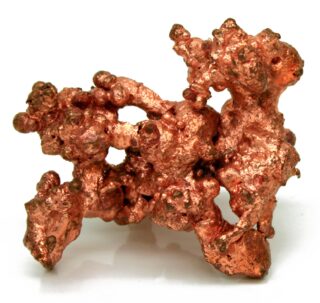
WORKING WITH COPPER
Copper is not considered as hazardous as metals such as mercury, lead, and manganese, but it does have ill-effects. According to NIOSH, as... Continue reading →

Anticipate, Recognize, Evaluate & Control Health Hazards in the Workplace
Copper is not considered as hazardous as metals such as mercury, lead, and manganese, but it does have ill-effects. According to NIOSH, as... Continue reading →
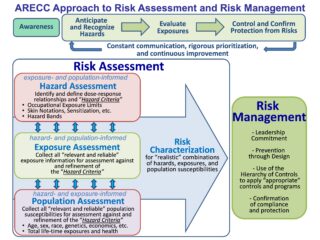
Industrial hygiene is based on the anticipation, recognition, evaluation, and control of hazards. These may include chemical, biological, airborne, physical, and... Continue reading →
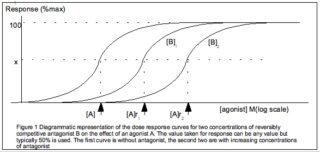
Dose-response is a fundamental concept in determining the effects of hazardous materials and is used to create the standards for... Continue reading →

Over the last few years, the use of lithium-ion batteries has increased significatntly. At the same time, there have been... Continue reading →

The Toxic Substances Control Act of 1976 provides the Environmental Protection Administration (EPA) with the authority to require reporting, record-keeping and testing... Continue reading →
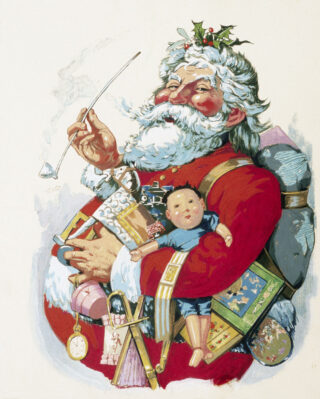
Christmas is a great time for being with family and friends. Because of these get-togethers and colder weather, people spend... Continue reading →
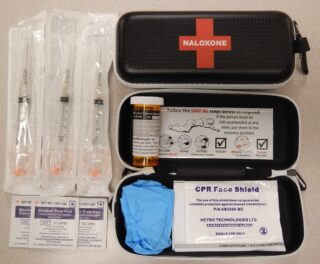
Nurses, physicians, paramedics, and other healthcare workers who interact with patients and handle drugs may be exposed to illicit fentanyl and... Continue reading →
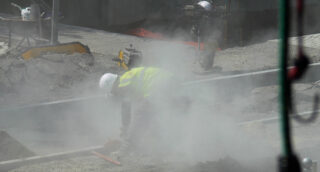
Silicosis is caused by breathing in high concentrations of silica dust over many years or in some cases shorter periods... Continue reading →

There has been a growing concern about the health effects of chemicals and burning by-products to firefighters when fighting wildfires.... Continue reading →

Fungal infection, also known as mycosis, is a disease caused by fungi. Workers in certain industries, especially those involving soil, dust, or damp environments, are... Continue reading →