
OSHA’s Final Rule on Hazard Communication
OSHA’s standard for hazard communication has been in effect for many years under 1910.1200 for General Industry and 1926.59 for Construction. The purpose of the... Continue reading →

Anticipate, Recognize, Evaluate & Control Health Hazards in the Workplace
OSHA’s standard for hazard communication has been in effect for many years under 1910.1200 for General Industry and 1926.59 for Construction. The purpose of the... Continue reading →

Safety professionals and others have recognized the hazard of entering a confined space or dangerous area where toxic gases are present.... Continue reading →
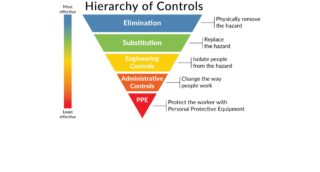
For most OSHA standards, employers are required to reduce employee exposures to below the Permissible Exposure Limit for the particular... Continue reading →

In the United States, occupational exposure limits are set by governmental organizations such as OSHA and the National Institute of... Continue reading →
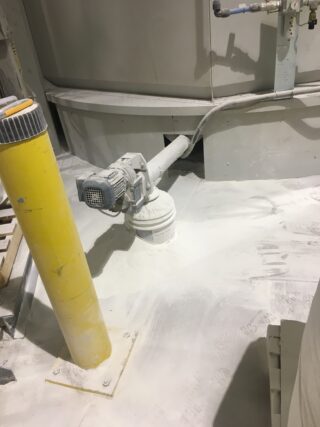
Occupational exposure to dust, even at low doses, is a risk to workers’ health and significantly associated with respiratory symptoms. Not... Continue reading →
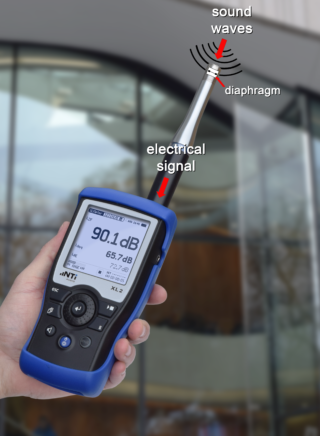
Noise is unwanted sound. Technically, it is sound pressure and includes a range of frequencies that can be detected by... Continue reading →
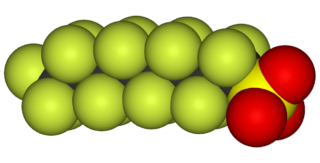
In recent years, the public has been concerned about the prolific amount of Per- and Polyfluoroalkyl substances (PFAs) in the... Continue reading →
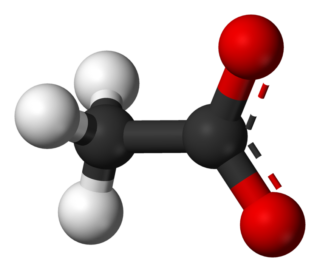
Acetates are used in many products such as cosmetics, cleaning supplies, paints and lacquers, and textiles. They are also used in... Continue reading →

Ever since the creation of the OSHA Respirable Crystalline Silica (RCS) standard, the emphasis has been on manufacturing companies that... Continue reading →

As early as 1775, an English physician, Sir Percivall Pott, reported a high incidence of skin sores on men working... Continue reading →