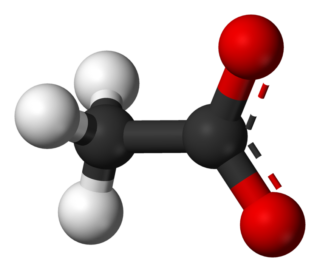
Acetates
Acetates are used in many products such as cosmetics, cleaning supplies, paints and lacquers, and textiles. They are also used in... Continue reading →

Anticipate, Recognize, Evaluate & Control Health Hazards in the Workplace
Acetates are used in many products such as cosmetics, cleaning supplies, paints and lacquers, and textiles. They are also used in... Continue reading →

Ever since the creation of the OSHA Respirable Crystalline Silica (RCS) standard, the emphasis has been on manufacturing companies that... Continue reading →
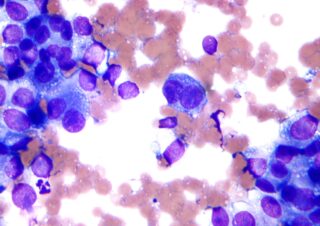
As early as 1775, an English physician, Sir Percivall Pott, reported a high incidence of skin sores on men working... Continue reading →
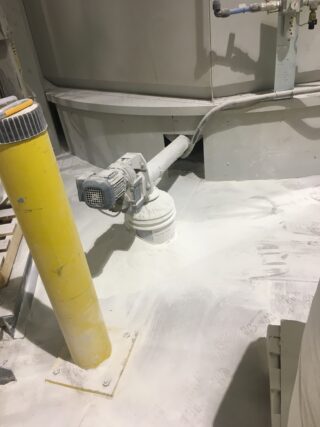
A combustible dust is any material (finely divided solid particles) that has the ability to disperse in air and catch... Continue reading →

In 2022, OSHA published an Advance Notice of Proposed Rulemaking (ANPRM) on blood lead level for medical removal in the federal register.... Continue reading →

Under the OSHA Noise Standard 1910.95(b)(1), when the Permissible Exposure Limit (PEL) is exceeded, the employer is required to implement feasible engineering... Continue reading →
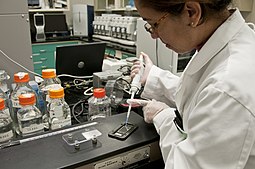
Toxicology is the branch of science concerned with the natural effects of chemicals on living organisms. Toxicologists examine these effects... Continue reading →

Industrial Hygiene is concerned with the anticipation, recognition, evaluation, and control of chemical and physical hazards in the workplace. Environmental... Continue reading →
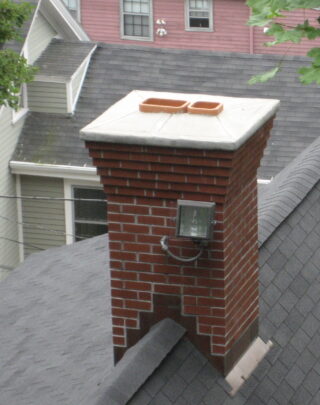
There are an estimated 25,000 chimney fires each year that cause life threatening injuries and millions of dollars in property... Continue reading →

Employees who work outdoors may be at risk for stings, bites, and illness from contact with insects. Agricultural and construction... Continue reading →