Be Prepared for a Public Health Emergency
It has been over two years since the Centers for Disease Control (CDC) declared that the public health emergency from... Continue reading →

Anticipate, Recognize, Evaluate & Control Health Hazards in the Workplace
It has been over two years since the Centers for Disease Control (CDC) declared that the public health emergency from... Continue reading →

Christmas is a great time for being with family and friends. Because of these get-togethers and colder weather, people spend... Continue reading →
Most people who have heard of NIOSH, the National Institute of Occupational Safety & Health, did so during the COVID... Continue reading →
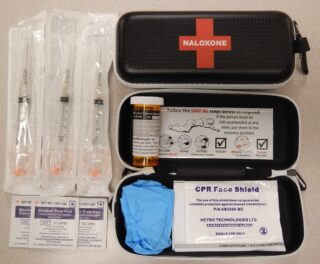
Nurses, physicians, paramedics, and other healthcare workers who interact with patients and handle drugs may be exposed to illicit fentanyl and... Continue reading →
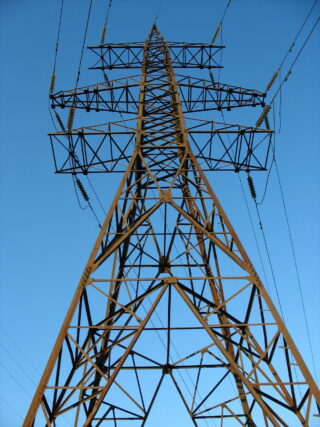
Occupational exposures to radiofrequency electromagnetic fields (RF EMF) at high levels may occur in workplaces used in broadcasting, telecommunication, security... Continue reading →
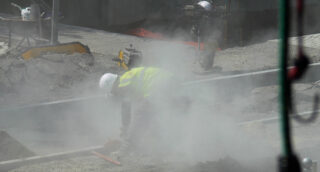
Silicosis is caused by breathing in high concentrations of silica dust over many years or in some cases shorter periods... Continue reading →

There has been a growing concern about the health effects of chemicals and burning by-products to firefighters when fighting wildfires.... Continue reading →

Audiometric testing is a series of hearing tests that measure a person’s ability to hear sounds at a range of... Continue reading →

Fungal infection, also known as mycosis, is a disease caused by fungi. Workers in certain industries, especially those involving soil, dust, or damp environments, are... Continue reading →
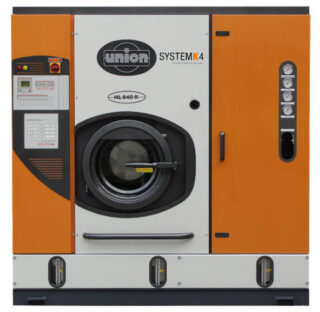
Chlorinated solvents such as trichloroethylene (TCE) and perchloroethylene (PCE) have been shown to cause health problems to workers and the... Continue reading →